How to Turn Your Yoga Content Into a Profitable Wellness Brand: Products, Positioning, and Where to Start
Your yoga content is already building trust — here's how to convert that into a product brand with the right positioning and a 30-day launch path.

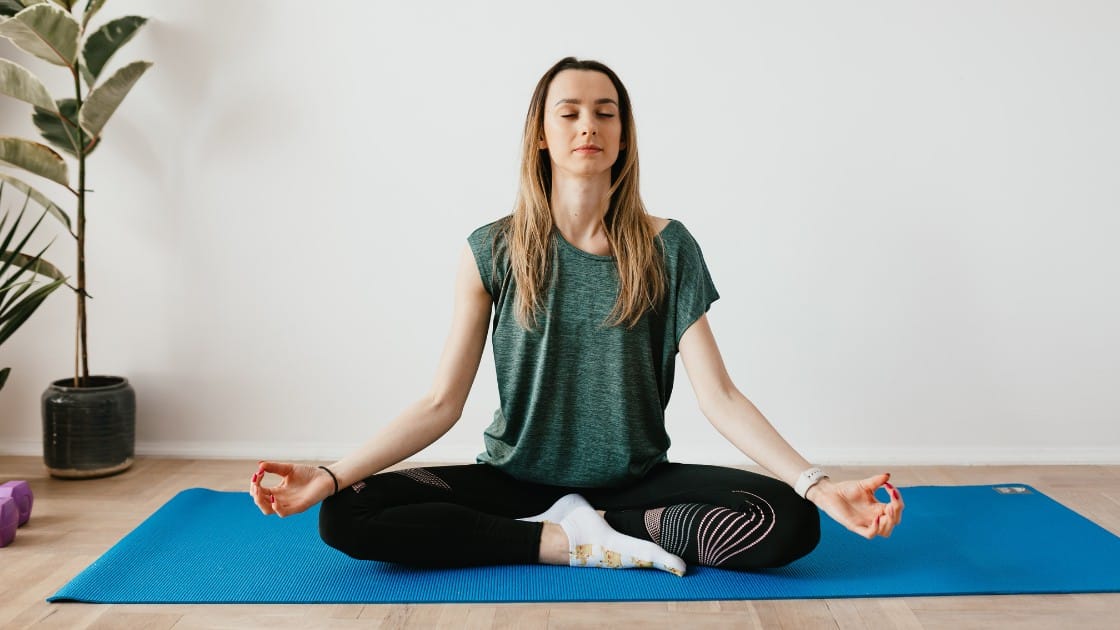
Yoga content creators can build profitable wellness brands by leveraging their existing audience trust across three product directions: digital products (guides, courses, programmes), physical wellness products (herbal teas, adaptogens, functional supplements, skincare), or a hybrid stack combining both.
The most profitable path for yoga creators in 2026 is a hybrid model — validate with a digital product, then layer in a private-label physical product line that extends the brand your audience already trusts.
Your Yoga Content Is Already a Business. It Just Isn't Yours Yet.
Think about the last time a follower bought a supplement, a tea, or a wellness product on your recommendation.
They trusted you. They acted on that trust. And the brand they bought from — the brand that got stronger that day — wasn't yours.
This is the reality for most yoga content creators. You have something genuinely rare in the wellness industry: an audience built on philosophy, not just aesthetics. People who follow yoga educators don't just watch for the poses. They follow for the worldview — the breathwork, the nervous system wisdom, the mindful living, the mind-body connection. That is a level of trust that most wellness brands spend millions trying to manufacture.
You already have it.
The question is not whether your yoga audience would support a wellness brand you built. The question is whether you've given them one to support — and if not, why not.
This blog maps the entire path. Products that fit your content, positioning that fits your philosophy, and a practical first step that fits where you are right now.
Why Yoga Creators Are Uniquely Positioned for Wellness Brand Ownership
Before we get to the how, it's worth being clear about the why.
Yoga creators occupy a specific and commercially powerful position in the wellness content landscape. Here's what makes that position so valuable for brand building:
Philosophy-led trust is the deepest trust in wellness. An audience that follows you for your worldview — not just your workout — is an audience that buys into what you believe, not just what you sell. This reduces the brand-to-sale trust barrier significantly compared to product-first brands.
Your content naturally bridges multiple wellness categories. Yoga content touches movement, breathwork, nervous system regulation, stress and sleep, spiritual wellbeing, Ayurveda, mindful nutrition, and body care. Each of those bridges to a product category. You are not a niche creator — you are a multi-category brand waiting to happen.
Your audience profile matches the highest-converting wellness buyer segment. Research consistently shows that Millennial and Gen Z women who practise yoga are among the highest-intent wellness product buyers in the world. They spend more per transaction, subscribe at higher rates, and stay loyal to brands they trust longer than almost any other demographic.
The spiritual-wellness consumer expects brand ownership from creators they follow. When a yoga educator or Ayurveda practitioner launches a product, it is not seen as a commercial move. It is seen as the natural completion of the relationship — the teacher offering the tools.
Step 1: Define Your Yoga Brand's Positioning Before Choosing a Product
The single most important decision you'll make before selecting any product is your brand positioning.
Yoga is broad. "Yoga and wellness" is a category, not a brand. The creators who build the most successful product brands from yoga content are the ones who narrow before they expand.
Brand positioning for yoga creators means identifying the specific intersection of your teaching style, your audience's core pain point, and the product category that solves it — and claiming that territory before your brand is built, not after.
Here are the most commercially powerful positioning territories available to yoga creators in 2026:
The Nervous System & Stress Brand For yoga creators who teach breathwork, nervous system regulation, somatic healing, and burnout recovery. Pain point: Chronic stress, anxiety, overstimulation, burnout. Product territory: Adaptogens (ashwagandha, magnesium), sleep supplements, stress support formulations. Brand feeling: Clinical calm. Science-backed relief. Quiet strength.
The Ritual & Ayurvedic Wellness Brand For yoga creators rooted in Ayurveda, traditional practice, and conscious living. Pain point: Disconnection from ancient wisdom, desire for ritualised self-care, holistic health that isn't clinical. Product territory: Adaptogenic herbs (Ayurvedic complex, turmeric, moringa), mushroom products, bee superfoods, herbal teas. Brand feeling: Ancient wisdom, modern life. Rooted. Intentional.
The Mind-Body Glow Brand For yoga creators whose content bridges physical practice and inner wellbeing — with a beauty or skincare dimension. Pain point: Skin issues linked to stress and inflammation, desire for beauty that starts from within. Product territory: Collagen supplements, skin/hair/nail health, facial care serums, gut health supplements. Brand feeling: Inside-out radiance. Practice-led beauty. Clean and conscious.
The Yoga + Gut Health Brand For yoga creators who teach digestive yoga, abdominal work, gut-brain connection, or mindful eating. Pain point: Bloating, digestive discomfort, inflammation, low energy. Product territory: Probiotics, digestive enzymes, greens superfoods, ACV, gut reset formulations. Brand feeling: Clean living. Gut-first wellness. Holistic digestion.
The Feminine Wellness & Cycle Brand For yoga creators who teach menstrual cycle awareness, womb yoga, women's embodiment, or hormonal health through movement. Pain point: Hormonal imbalance, cycle irregularity, energy depletion, perimenopause symptoms. Product territory: Women's vitality formulas, maca, magnesium, hair/skin/nail supplements, sleep support. Brand feeling: Cycle-led living. Body literacy. Feminine power.
Choose the one that most accurately reflects both your existing content and your audience's most urgent pain point. That intersection is your brand.
Step 2: Match Your Yoga Niche to the Right Product Category
Once your positioning is clear, the product selection becomes a mapping exercise — not a guesswork exercise.
Here is how the most common yoga creator content niches map to physical and digital product categories:
Yoga for Stress, Anxiety & Nervous System Health
Content signals: Breathwork tutorials, nervous system resets, yin yoga for anxiety, sleep yoga, trauma-informed movement.
Physical product direction:
- Sleep & Relaxation: Magnesium Glycinate, Ashwagandha, 5-HTP, Sleep Strips, Sleep Formula
- Brain & Cognitive: Cognitive Relax Strips, lion's mane
- Specialty Supplements: CoQ10, adaptogenic stress formulas
Digital product direction:
- "21-Day Nervous System Reset" programme
- "Yoga for Anxiety" course with breathwork protocols
- Paid community for nervous system healing
Hybrid stack example: Nervous system reset digital course (£49) → Private-label Sleep & Stress supplement bundle (magnesium + ashwagandha) → Monthly Calm Kit subscription (£39/month)
Why this works: Sleep and stress supplement subscribers have among the lowest churn rates in wellness. Once a customer finds a sleep protocol that works — the yoga practice, the magnesium, the evening routine — they don't change it. That is subscription retention by design.
Yoga for Gut Health & Digestive Wellness
Content signals: Twisting sequences for digestion, abdominal massage tutorials, gut-brain connection content, mindful eating guides, bloating and IBS yoga.
Physical product direction:
- Digestive Support: Probiotic 40 Billion, Digestive Enzyme Pro, Apple Cider Vinegar, L-Glutamine, Gut Health formula
- Greens & Superfoods: Sea Moss, Moringa, Greens Superfood blend
- Specialty Supplements: Liver support, detox formulas
Digital product direction:
- "Yoga for Gut Health" 14-day programme
- "Heal Your Gut" mindful eating + movement guide
- Digestive yoga video library membership
Hybrid stack example: Gut healing yoga programme (£39) → Private-label Gut Reset Bundle (probiotic + digestive enzyme + ACV) → Monthly Gut Wellness Subscription (£45/month)
Why this works: Probiotics are the highest-subscription-converting product in wellness. A yoga-educated customer who understands the gut-brain connection and has used your gut healing programme is the most qualified probiotic subscriber you could have.
Ayurvedic Yoga & Ritual Living
Content signals: Dinacharya (daily ritual) content, dosha-based yoga, Ayurvedic self-care, seasonal wellness routines, herbal medicine content, conscious living.
Physical product direction:
- Greens & Superfoods: Ayurvedic Complex, Platinum Turmeric, Moringa, Ginkgo Biloba
- Mushroom Products: Chaga, Fermented Mushroom Blend, Mushroom Complex 10X
- Bee Products: Bee Pearl, Bee Bread (premium ritual-aligned superfood positioning)
- Coffee & Tea: Adaptogenic blends, ceremonial matcha
Digital product direction:
- Ayurvedic morning ritual guide
- Seasonal wellness programme (dosha-based)
- "Ancient Practices for Modern Life" online course
Hybrid stack example: Ayurvedic morning ritual digital guide (£19) → Private-label adaptogen wellness line (Ayurvedic Complex + Turmeric + Mushroom blend) → Monthly Ritual Wellness Box (£52/month)
Why this works: The ritual and adaptogen category commands the highest price tolerance of any wellness segment because the purchase is not just functional — it is identity-aligned. A customer who buys into the Ayurvedic brand philosophy does not price-shop.
Restorative Yoga & Women's Wellness
Content signals: Yin yoga for hormonal balance, womb yoga, menstrual cycle awareness, fertility yoga, perimenopause yoga, feminine embodiment.
Physical product direction:
- Sexual & Reproductive Wellness: Women's Vitality Formula, Maca Plus, Female Enhancement
- Sleep & Relaxation: Magnesium Glycinate, Ashwagandha, Sleep Strips
- Skin, Hair & Nail Health: Hair Skin & Nails Gummies, Collagen Peptides, Beauty supplements
Digital product direction:
- "Cycle-Synced Yoga" 4-week programme
- Women's hormone balance guide
- Paid community for women's embodiment and wellness
Hybrid stack example: Cycle-synced yoga programme (£69) → Private-label Women's Wellness line (vitality formula + magnesium) → Monthly Hormone Support Kit subscription (£55/month)
Why this works: Women's hormonal wellness is the highest-lifetime-value creator wellness category. A customer subscribed to a hormone support kit at £55/month generates £660 annually. Combined with ongoing digital product purchases and community membership, a single loyal customer in this niche can generate £900+ in annual revenue.
Yoga for Skin, Beauty & Inner Radiance
Content signals: Face yoga, lymphatic drainage tutorials, glow from within content, yoga for skin health, stress-related skin conditions, gut-skin connection.
Physical product direction:
- Facial Care: Vitamin C Serum, Hyaluronic Acid Serum, Retinol & Peptide Serum, Niacinamide Serum, Eye Gel
- Bath: Kojic Acid & Turmeric Soap, Charcoal Scrubs, Exfoliating Bars
- Skin, Hair & Nail Health: Beauty Collagen Strips, Hair Skin & Nails Gummies, Resveratrol
- Digestive Support: Probiotics (gut-skin connection angle)
Digital product direction:
- "Yoga Glow" face yoga and skincare routine programme
- Inside-out beauty guide combining movement and nutrition
- Skincare ingredient education series
Hybrid stack example: Face yoga + skincare guide (£29) → Private-label Glow Lab skincare line (Vitamin C Serum + Beauty Collagen Strips) → Monthly Glow Kit subscription (£45/month)
Why this works: Skincare has the highest gross margin per unit (60–75%) of any wellness category. A yoga creator who bridges movement and skincare — face yoga, lymphatic drainage, stress-skin connection — has a unique brand story that no standard skincare brand can replicate.
Step 3: Choose Your Launch Track — Digital First, Physical First, or Hybrid
There is no single right launch sequence for every yoga creator. The right path depends on your current audience relationship, your existing monetisation, and your risk tolerance.
Track 1: Digital First (Lowest Risk, Fastest Revenue) Best for yoga creators who haven't yet sold a physical product and want to validate buyer behaviour before committing to brand infrastructure.
Launch a digital product in your primary yoga niche — a 21-day programme, a guide, a paid workshop. Use buyer data and post-purchase questions to define your physical product brief. Launch the physical product to your buyer list, not your total audience. This is the lowest-risk and most data-informed path to a physical wellness brand.
Ideal for: Nervous system educators, Ayurvedic practitioners, women's wellness yoga teachers, meditation-led creators.
Track 2: Physical First (Fastest Brand Authority) Best for yoga creators who already have a clear product direction, a validated niche, and strong affiliate conversion data in a specific category.
Move directly to brand infrastructure — business registration, brand identity, private-label supplier onboarding, Shopify store build, and launch. This track assumes the market validation work has already been done through content engagement and affiliate behaviour.
Ideal for: Creators with 2+ years of content in a specific niche, strong DM purchase intent, and existing affiliate revenue in a clear product category.
Track 3: Hybrid (Highest Revenue Ceiling) Best for yoga creators ready to build a complete brand ecosystem — digital expertise plus physical products plus subscription revenue — in a single 30-day build.
Launch a digital product and a physical product simultaneously (or within 30 days of each other). The digital product validates and educates. The physical product converts and retains. Together they create a brand that generates three distinct revenue streams from one audience.
Ideal for: Established yoga creators with an engaged community, existing email list, and clear pain point authority in at least one wellness sub-category.
The Yoga Creator Brand-Building Checklist
Before you build anything — confirm these are in place:
Positioning confirmed:
- Primary content niche identified (stress, gut, Ayurveda, women's wellness, beauty)
- Core audience pain point defined with specific language from DMs and comments
- Brand positioning statement drafted: "For [audience], [brand] is the [category] brand that [unique value]"
Audience signals validated:
- 3+ "where can I buy" DMs per week in a specific product category
- Top 5 highest-save posts mapped — do they cluster around one pain point?
- Affiliate click data confirms product category pull
Product direction locked:
- Primary product category selected from Supliful catalogue
- 3–5 core SKUs identified for launch
- Subscription bundle structure defined
Brand infrastructure planned:
- Business registration and legal compliance roadmap
- Brand identity brief (positioning, voice, visual system)
- Label design and compliance language plan
- Shopify store structure with subscription support
- Email welcome sequence and post-purchase flow
What Your First 30 Days Actually Look Like
Week 1 — Foundation Business registered. Brand positioning locked. Niche validated. Supplier category confirmed. Product roadmap built.
Week 1.5 — Product & Brand Identity Primary logo, style guide, and social kit completed. Label design drafted. Supplier onboarding initiated. Product samples ordered for photography.
Week 2 — Website Build Mobile-optimised Shopify store live with checkout, subscription support, and payment processing. Product pages written with positioning-led copy.
Week 3 — Compliance & Pre-Launch Label compliance review completed. All policy pages live. Waitlist email sequence activated. Pre-launch content calendar begins.
Week 4 — Launch & Marketing Engine SEO structure live. Email welcome series activated. 30-day social content calendar running. Paid ad campaigns set. Launch goes live to email list and audience.
FAQ: Yoga Creator Wellness Brands
Q1: What type of wellness product works best for a yoga content creator?
Adaptogenic supplements, stress and sleep formulations, Ayurvedic herbal complexes, and gut health products map most naturally to yoga content niches. Skincare and collagen supplements work particularly well for face yoga and inner radiance creators. The right product matches the specific pain point your content addresses — not just the broader yoga category.
Q2: Do I need a large yoga following to launch a wellness brand?
No. A yoga creator with 10,000–50,000 highly engaged followers in a specific niche — nervous system health, Ayurvedic living, women's wellness — will outperform a generic yoga account with 200,000 passive followers at launch. Purchase intent and community depth matter more than follower count in wellness brand building.
Q3: Can a yoga creator launch a physical wellness brand without holding inventory?
Yes. Private-label dropshipping platforms like Supliful supply tested, compliant wellness products that ship directly to customers under your brand name. There is no minimum order quantity, no upfront manufacturing cost, and no inventory to manage. The brand infrastructure — supplier integration, automated fulfilment, and subscription billing — can all be configured as part of a 30-day brand build.
Q4: Should a yoga creator launch digital products or physical products first?
For most yoga creators, a digital product first is the lower-risk path — it validates buyer behaviour, generates revenue quickly, and builds a pre-qualified buyer list for the physical product launch. However, creators with strong affiliate conversion data and clear purchase intent signals in a specific product category can launch physical products directly with a well-positioned brand and a 30-day build timeline.
Q5: What makes yoga creator wellness brands different from standard wellness brands?
Yoga creator brands carry philosophical credibility that manufactured wellness brands spend millions trying to build. The audience's trust is built on shared worldview — breathwork, conscious living, mind-body connection — not just product claims. This means yoga creator brands can command premium pricing, generate higher subscription loyalty, and extend into multiple product categories more naturally than brands without that community foundation.
Your Philosophy Is Already a Product. You Just Haven't Packaged It Yet.
The trust your yoga audience has in you — the reason they show up, take your class, follow your breathwork, and buy your recommendations — is not something a supplement brand or skincare company can buy.
It took years to build. It lives in your content, your community, your consistency.
And right now, it is generating revenue for brands that aren't yours.
The yoga-to-wellness brand path is not about becoming a product seller. It is about becoming the brand your audience would have built for themselves if they had the infrastructure to do it.
You have the philosophy. You have the audience. You have the trust.
Brand Sewa provides the infrastructure.