How to Building a Loyal Wellness Community That Retains
Followers scroll. Advocates buy, refer, and stay. Here's how to turn your wellness audience into a community that drives retention and word-of-mouth.

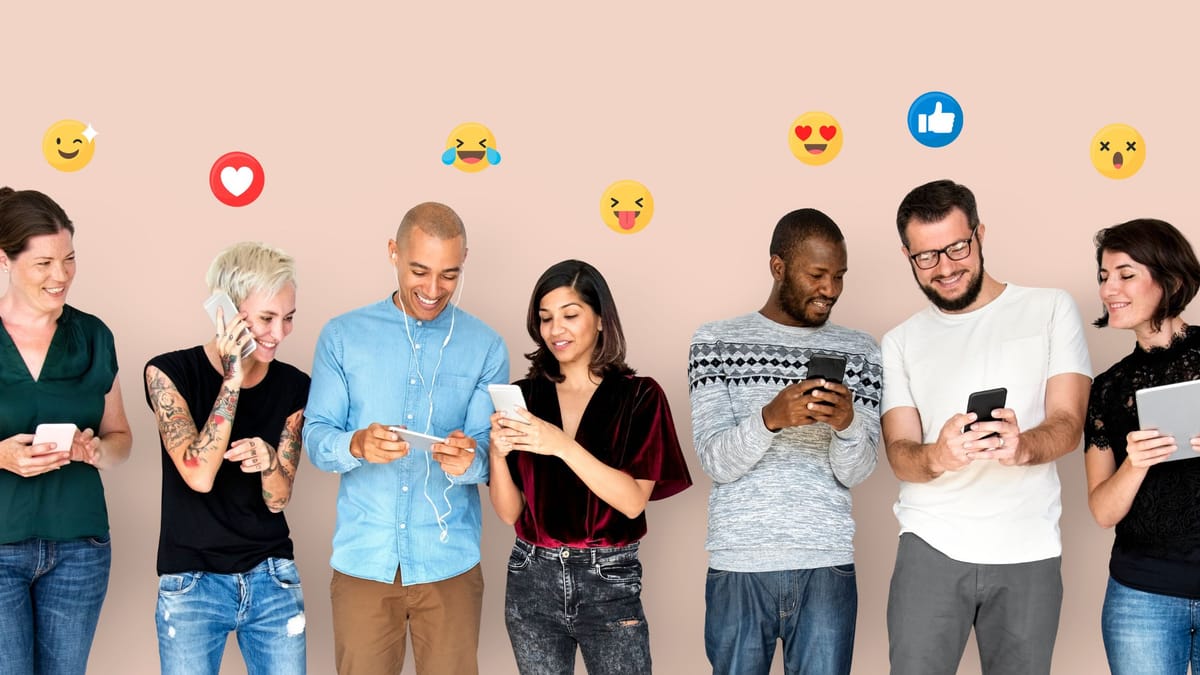
An audience listens to you. A community talks to each other. Many founders confuse "social media following" with "community." They are not the same. A following is a broadcast channel; a community is a network. The brands that win in 2026 are the ones that facilitate peer-to-peer connection, turning customers into the brand's most effective sales force.
The Vanity Metric Trap
In the early stages of the GROW phase, it is easy to get addicted to the dopamine hit of new followers. You see the number go up and assume the business is growing.
But "Followers" are a vanity metric. You cannot pay rent with likes. The metric that actually matters is Retention (or Lifetime Value - LTV).
The wellness industry is uniquely positioned for community building because wellness is personal, difficult, and often lonely. People don't just want a jar of protein powder; they want to feel like they are part of a tribe that values health. They want accountability.
Wellness community building is the strategic shift from "selling products" to "facilitating transformation." This guide outlines how to build an ecosystem where your customers feel so seen and supported that leaving your brand feels like leaving their friends.
1. The Hierarchy of Connection: Followers vs. Advocates
To build a community, you must understand the different levels of engagement. Your goal is to move people up this ladder.
Level 1: The Follower (The Voyeur)
- Behavior: Likes posts, maybe saves a recipe.
- Value: Low. They are consuming free content but haven't committed.
Level 2: The Customer (The Transactor)
- Behavior: Bought once because of a discount or specific pain point.
- Risk: High churn. If a competitor is $2 cheaper, they will leave.
Level 3: The Member (The Participant)
- Behavior: Joins your private group, replies to emails, uses your branded hashtag.
- Value: High. They feel a sense of belonging.
Level 4: The Advocate (The Evangelist)
- Behavior: Defends your brand in comments, answers other customers' questions, wears your merch.
- Value: Infinite. They lower your Customer Acquisition Cost (CAC) to near zero because they bring in new people for free.
2. Architecture: Where Should Your Community Live?
You cannot build a deep community on a rented platform like Instagram alone. The algorithm prevents you from reaching 100% of your people. You need a "Digital Living Room."
Option A: Rented Land (Social Groups)
- Facebook Groups / Instagram Broadcast Channels:
- Pros: Low friction, people are already there.
- Cons: Distracting, algorithm-controlled, hard to organize content.
- Best For: Top-of-funnel engagement and mass updates.
Option B: Owned Land (Dedicated Platforms)
- Circle.so / Mighty Networks / Geneva:
- Pros: You own the data. No ads. Distraction-free. You can charge for access (membership model).
- Cons: Friction (requires a new login).
- Best For: Serious education, course students, or high-ticket coaching clients.
The "Hybrid" Strategy
For most physical product brands, we recommend a Hybrid Approach. Use Instagram for the "Party" (attracting attention) and an email-based or SMS-based "Inner Circle" for the "After-Party" (exclusive connection).
3. The Glue: Rituals and Shared Identity
A group of people becomes a community when they share a Ritual. This is what separates a customer list from a tribe.
Creating Brand Rituals
Anchor your community to a specific time or action.
- The "Monday Reset": A gut-health brand encourages everyone to post their green smoothie on Monday mornings.
- The "Wind-Down Wednesday": A sleep tea brand hosts a 15-minute live meditation every Wednesday night.
- Why it works: It creates a habit loop. Using your product becomes a social signal, not just a biological necessity.
Shared Language
Give your community a name.
- Lady Gaga has "Little Monsters."
- Peloton has "Peloton Riders."
- Your Brand: Are they "Glow Getters"? "Sleep Seekers"? Naming them gives them an identity to wear.
4. The "Peer-to-Peer" Engine
The moment your community becomes scalable is the moment you stop being the only one talking.
Facilitating Connection
If a customer asks, "How do I use this anxiety oil?" and you answer, that's customer service. If another customer answers, "I use it on my wrists before bed, it's amazing!", that is community.
How to spark this:
- "Spotlight" Posts: Interview a customer of the month. Make them the hero.
- Challenge Cohorts: Run a "30-Day Sugar Detox" where members are paired up as accountability buddies.
- Ask Open-Ended Questions: Instead of posting "Buy this," post "What is your biggest struggle with sleep this week?" and let the comments section become a support group.
5. Retention Economics: The ROI of Community
Community feels "soft," but the ROI is hard data.
Increasing LTV (Lifetime Value)
When a customer feels connected to a community, they are less likely to cancel their subscription. They aren't just canceling a vitamin shipment; they are canceling their membership in the tribe.
- Data Point: Communities can increase retention rates by up to 40%.
Decreasing CAC (Customer Acquisition Cost)
Advocates generate User-Generated Content (UGC).
- Strategy: Create an "Ambassador Program." Give your top 1% of advocates a unique discount code and early access to products. In exchange, they create content that you can use in your ads. Real testimonials convert better than polished studio shots.
6. The "Feedback Loop" Advantage
Your community is your best R&D department. Before you launch a new flavor or product, ask them.
The "Co-Creation" Strategy:
- Poll: "We are making a new flavor. Do you want Berry or Citrus?"
- Sample: Send beta samples to your top 50 active members.
- Launch: "You asked, we built it."
- Result: They buy it immediately because they feel ownership over the product.
The Long Game
Building a wellness community is not a quick hack. It takes time, moderation, and genuine care.
However, in an era of rising ad costs and AI-generated noise, a loyal community is the only uncopyable asset. Competitors can copy your ingredients, your packaging, and your pricing. They cannot copy the relationship your customers have with each other.
Stop building a customer list. Start building a movement.
Frequently Asked Questions (FAQs)
1. Do I need a dedicated community manager?
In the beginning, no. As the founder, you should be the face of the community to build initial trust. Once the community passes ~500 active members, it is wise to hire a Community Manager (or a VA) to handle moderation and engagement.
2. How do I handle negative comments in a community?
Never delete them (unless they are hate speech). Address them. If someone says, "This didn't work for me," reply with empathy: "I'm sorry to hear that! Everyone's biology is different. DM us and let's find a solution." This turns a negative into a trust-building moment for everyone watching.
3.Should my community be free or paid?
For physical product brands, the community should generally be free (included with purchase) to maximize retention. For digital/coaching brands, a paid community acts as a high-tier product.
4. How do I get people to engage?
People engage when they feel safe and seen. Welcome every new member by name. Ask easy-to-answer questions (e.g., "Where are you joining us from?"). Avoid "lecturing" posts; focus on "discussion" posts.
5. Is a Facebook Group still a good idea in 2026?
It depends on your demographic. For an older demographic (40+), Facebook is still highly active. For Gen Z, they prefer Discord, Geneva, or TikTok comments. Go where your specific persona hangs out.
6. Can I monetize the community directly?
Yes, but be careful. Monetize through exclusive access (e.g., a VIP paid tier that gets monthly coaching calls with you) rather than charging for the basic support group.